Patanjali-Research-Foundation-title
20/05/2012
  • 1 First International conference on Yoga for Health and Social Transformation
  • 1 Screening/examining flood survivors before and after yoga
  • 2 Nymphaea alba Linn
    in English - European White Water Lily.The parts used are the rhizome, flowers, fruits, and seeds. The properties are it is cooling, sweet, bitter, and astringent. It acts as a cardiac tonic.
  • 5 Pergularia daemia Linn.
    in English - Pergularia. The parts used are the whole plant, leaves, root, and bark. It has varied uses such as, an anthelmintic, used in uterine and menstrual, disorders, asthma, and diarrhoea.
  • 1 A yoga practice session as a part of the randomized controlled trial on school children
  • 3 Emblica officinalis Gaertn. Syn-Phyllanthus emblica Linn,
    in English - The Indian gooseberry. The part used is the fruit. It is one of the richest natural source of vitamin-C known, and is used in chronic infections and inflammations.
  • 1 Assessment on school children in the randomized controlled trial
  • 4 Butea monosperma Linn,
    in English - The Flame of the Forest The parts used are flowers, seeds, bark, and root. The root, bark, and leaves can be medicinally used with clarified butter (ghee) for constipation, colic, and dysuria.
  • 1 Floods in the northern state of Bihar, where screening for PTSD was done
  • 1 Science Studies Pranayama is a new publication compiled by Patanjali Research Foundation and contains the methods of practicing pranayamas, their applications and contraindications which are based on SCIENTIFIC RESEARCH.

Welcome to Patanjali Research Foundation

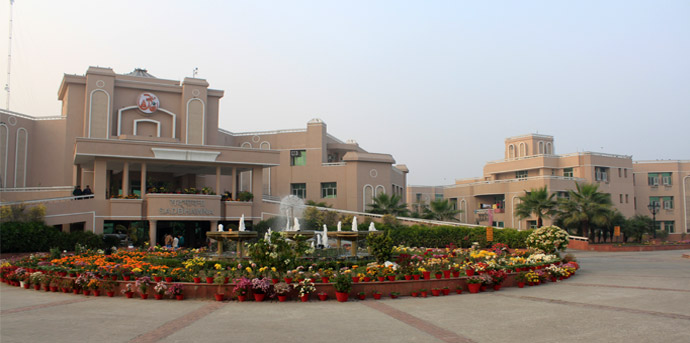
Patanjali Research Foundation was started in August 2010. This Research Foundation is a part of Patanjali Yogpeeth and is located in Haridwar, in the north of India.

Patanjali Research Foundation (and indeed the parent body, Patanjali Yogpeeth) are named after the great Indian sage, Patanjali (circa 900 B.C.) who first compiled the numerous writings on yoga in a way which is relevant and can be understood by people today.

The foundation aims at:

1. Evaluating indigenous systems of medicine,particularly yoga and ayurveda, so that their physiological effects are studied using present-day scientific methods, with an aim of using these systems of medicine to promote health and manage disease.
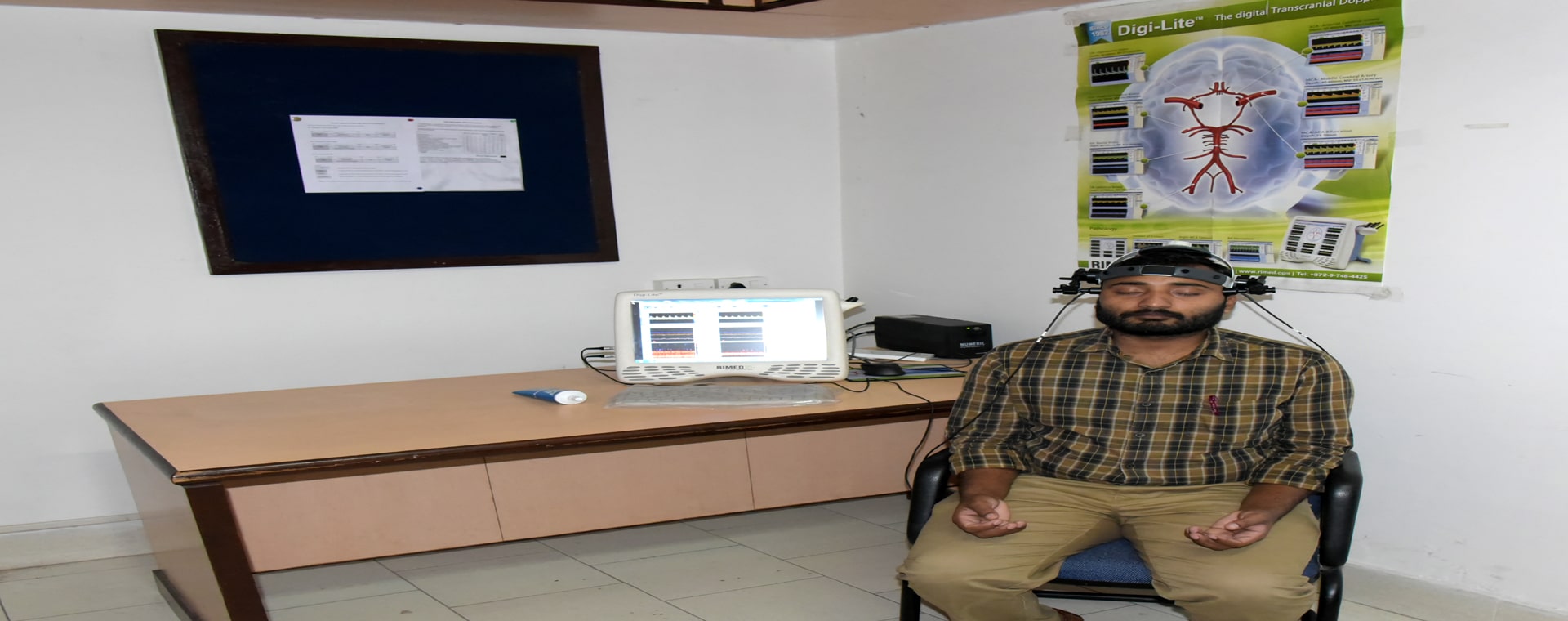
2.While the Foundation largely uses actual scientific studies carried out in laboratories, the aim would also be to review the ancient texts for contemporary reading.

3. Evaluating the use of home remedies through scientific studies so that these methods of healing may, if found suitable, be integrated in contemporary healing practices and hence be preserved.

4. Studying the scientific basis for ancient practices used in various areas of life (e.g., farming and architecture) so that these ancient practices can be better understood and hence preserved.

Know more about Patanjali Research Foundation click on


READ MORE

Area of research where we are working on click read more to know more about us


READ MORE

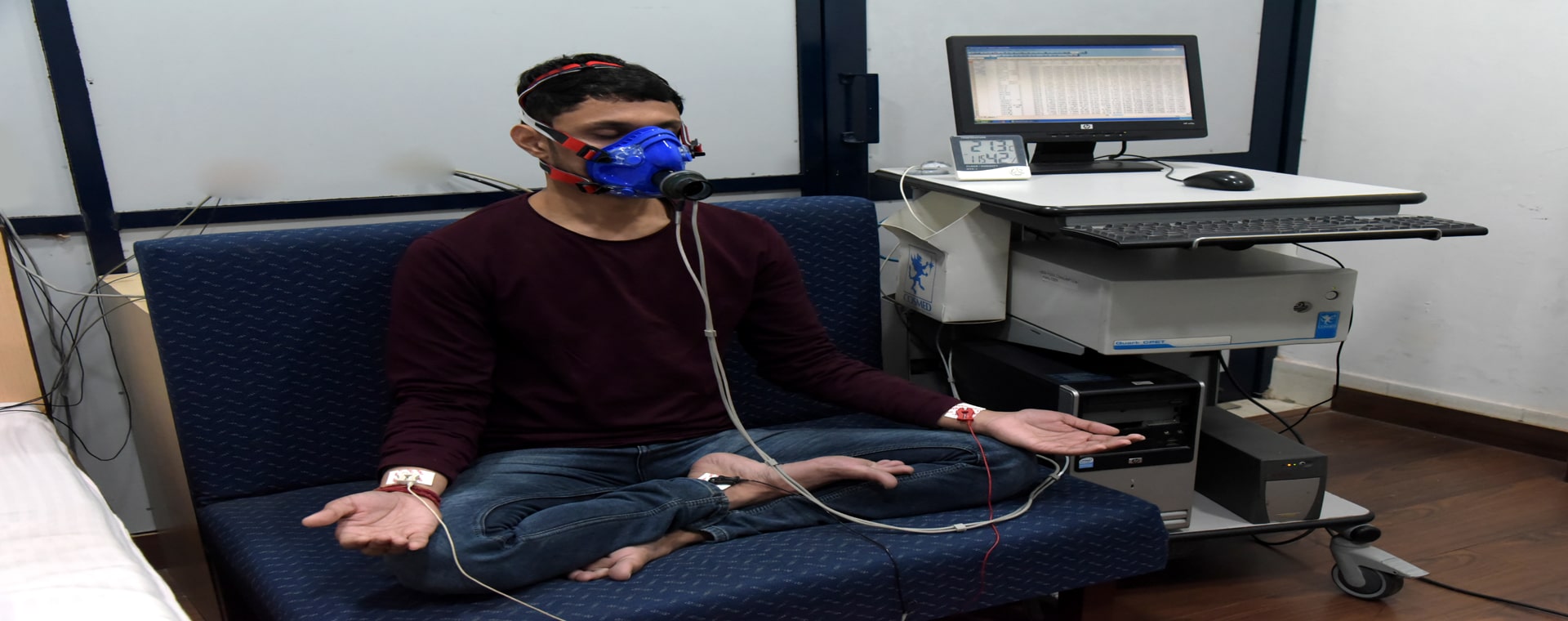
Laboratory No. 1: Oxygen consumption and metabolic testing laboratory


READ MORE

News

  • Date 08/05/2012
    4. Publication: Our most recent publication of a study on 140 yoga naïve men of the Indian army ..............

    READ MORE

  • Date 21/11/2011
    3.RESEARCH NEWS: We have recently completed a randomized controlled trial on the effects of yoga and physical activity in school children. We also .......

    READ MORE

  • Date 13/11/2011
    The Federal University of Sao Paulo, Brazil has signed a Memorandum of Understanding (MOU) with the University of Patanjali, to further student exchange programs and carry out joint research. This MOU was signed in September 2011 and we look forward to an

    READ MORE

  • Date 13/11/2011
    The International Society for Scientific and Interdisciplinary Researches in the Field of Yoga, Serbia has entered into an agreement with Patanjali Research Foundation,

    READ MORE